
Are you a seasoned professional – a manager, executive, or director – preparing for your next career move? In today’s competitive landscape, a strong resume isn't just a summary of your experience; it's a strategic marketing document that positions you for success. If your resume hasn't been … [Read more...] about Is Your Executive Resume Holding You Back? 5 Critical Updates for Today’s Market
Is Your Resume Ready for Your Next Executive Move? 5 Critical Updates for Today’s Job Market
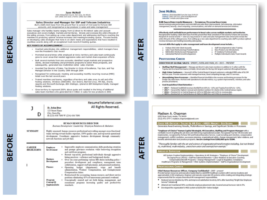
As a manager or executive, you understand the importance of strategic planning and preparation. Your job search is no different. A powerful, up-to-date resume is your most valuable asset in today's competitive market, especially when aiming for senior-level positions. However, resume writing rules … [Read more...] about Is Your Resume Ready for Your Next Executive Move? 5 Critical Updates for Today’s Job Market
From Service to Success: 15 Resources for Military Transition to Management & Executive Careers
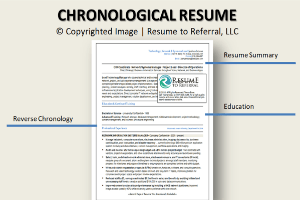
I appreciate your service. We know that leaving the military and entering the civilian workforce, particularly in management or senior leadership, maybe a big change. This guide offers 15 tools to assist you in successfully transitioning the vital talents you developed while serving in the military … [Read more...] about From Service to Success: 15 Resources for Military Transition to Management & Executive Careers
How to Write a Manager Resume/LinkedIn Profile for 2024/2025: 5 Proven Strategies

Compelling. Bold. Disruptive. Accomplished. Agile. You probably think I'm describing you with these words, but I'm referring to something else. Management and executive roles continue to evolve, especially with the onset of AI. These positions continue expanding into specialized tasks and … [Read more...] about How to Write a Manager Resume/LinkedIn Profile for 2024/2025: 5 Proven Strategies
Reference Checking Services For Jobseekers (In-Depth Guide)

Professional reference checking services are important to hiring. Consider this... You got the interview, and it seemed to go well. The interviewer says, "We just need to check your references and we'll get back to you." But the next time you talk to the interviewer, there's a different tone - … [Read more...] about Reference Checking Services For Jobseekers (In-Depth Guide)
Tools to 3X Your Employer Research B4 Accepting Manager Job

Certainly, you're looking to do the obvious: research potential employers so you don't waste time and energy with the wrong fit. But, you're also looking to answer questions like, "Does this employer genuinely align with my values and career goals?" and "Does this employer have a bad reputation … [Read more...] about Tools to 3X Your Employer Research B4 Accepting Manager Job
Get Hired During the Holidays: Jingle Bells, Your Job Search Ring

Employers don’t hire during the holidays. Just ask the jobseeker who was offered a job on Black Friday or the one who was invited to a second job interview just before Christmas. Employers not hiring during the holidays is a myth. Putting your job search on hold between Thanksgiving and New Year’s … [Read more...] about Get Hired During the Holidays: Jingle Bells, Your Job Search Ring
Job-Search Scams You Should Be Aware Of

There are many job-search scams to watch out for. There's never a shortage of human scum: people who put their energy into taking from and taking advantage of others. As a job seeker, you can be taken advantage of too. Years ago, we could spot certain scams like these: "Work From Home and Earn … [Read more...] about Job-Search Scams You Should Be Aware Of
Interview Questions, What’s Next & Career Outlook for Graphic Designers

Interviewing questions for graphic designers vary from those often asked of job candidates in other career fields. Designers represent their skills when sharing the visual content they've created. In many ways, a graphic designer "professionally lives or dies" by the quality and scope of projects … [Read more...] about Interview Questions, What’s Next & Career Outlook for Graphic Designers
Your Solution to a Branded, Beautiful & Bold Management Resume

Writing a management resume is very different from a resume for a job seeker at the support level. Resume writers know the importance of writing an optimal resume. This is why professional resume writing services charge $800 to $1,400 for management and executive resumes. That's well worth the … [Read more...] about Your Solution to a Branded, Beautiful & Bold Management Resume